
Classic Hip Hop Albums Revisited” takes a deep dive into the iconic albums that shaped the genre, revisiting the timeless tracks, revolutionary production, and cultural impact of the golden era. Each entry explores the stories behind the music, offering fresh perspectives and celebrating the lasting influence of hip hop’s greatest records. Whether you’re a longtime fan or new to the genre, this series brings a new appreciation to the classics that defined an era.
Nas – Illmatic (1994)

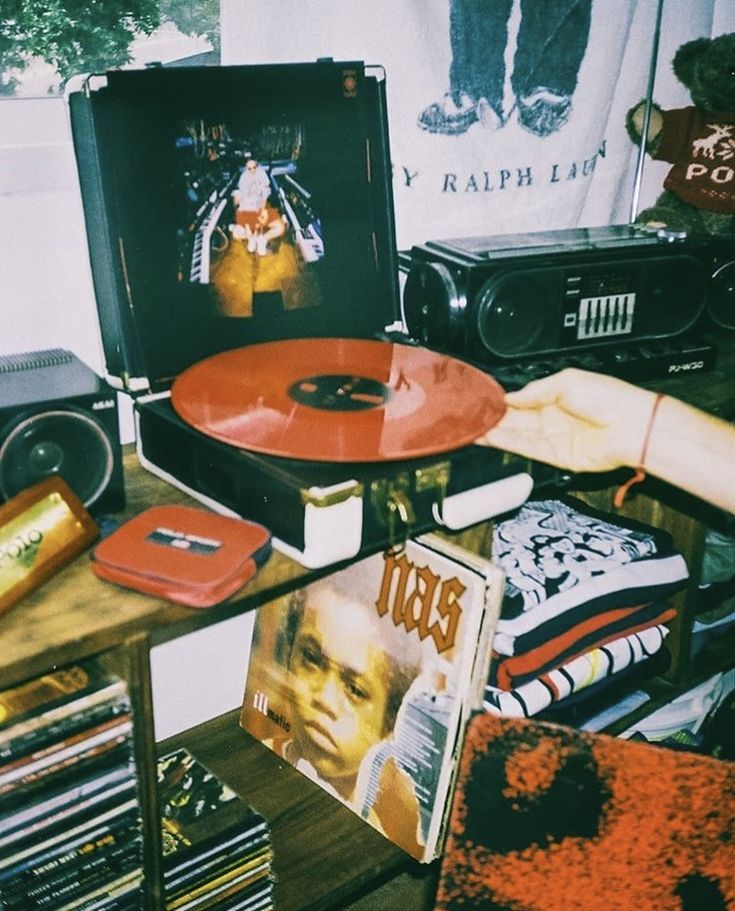
Illmatic is the debut studio album by Nas, a project that defined East Coast hip-hop’s lyrical and production standards. It features a concise 10 tracks, with vivid storytelling of life in the Queensbridge projects. The album boasts contributions from legendary producers like DJ Premier, Large Professor, Pete Rock, and Q-Tip. Widely regarded as one of the greatest hip-hop albums ever, Illmatic elevated the importance of lyricism and album cohesiveness in rap. It cemented Nas’s status as a top-tier MC and set a benchmark for authenticity and artistry in hip-hop.
The Notorious B.I.G. – Ready to Die (1994)

Description: Biggie’s debut album is a deeply personal exploration of his life, from the struggles of growing up in Brooklyn to the highs of newfound fame. With hits like “Juicy,” “Big Poppa,” and “One More Chance,” it showcases Biggie’s storytelling prowess and charismatic flow. Ready to Die is credited with revitalizing East Coast hip-hop during a time when West Coast dominance was prominent. It introduced Biggie as one of the greatest rappers of all time and paved the way for the Bad Boy Records empire.
Tupac Shakur – All Eyez on Me (1996)

This double album is a sprawling display of 2Pac’s versatility, touching on themes of resilience, fame, betrayal, and life on the streets. Featuring hits like “California Love,” “How Do U Want It,” and “Ambitionz Az a Ridah,” it blends gangsta rap with introspective tracks. All Eyez on Me was a commercial and critical success, highlighting 2Pac’s complex personality and artistry. As one of the first double hip-hop albums, it influenced the industry’s approach to ambitious projects. It solidified 2Pac’s legacy as a cultural icon.
Wu-Tang Clan – Enter the Wu-Tang (36 Chambers) (1993)

This gritty debut introduced the world to the Wu-Tang Clan’s unique sound, built on RZA’s raw production and the diverse styles of the group’s nine members. Tracks like “C.R.E.A.M.,” “Protect Ya Neck,” and “Method Man” became anthems of underground hip-hop. The album redefined group dynamics in hip-hop, showcasing the potential of multiple MCs with distinct voices. It laid the foundation for solo careers of members like Method Man, Raekwon, and Ghostface Killah, while influencing the sound of ’90s rap.
Dr. Dre – The Chronic (1992)

Dr. Dre’s solo debut after leaving N.W.A., The Chronic introduced the world to G-Funk, blending P-Funk samples with smooth, laid-back beats. Featuring Snoop Dogg, it’s packed with classics like “Nuthin’ but a ‘G’ Thang” and “Let Me Ride.” The Chronic redefined West Coast hip-hop, popularizing G-Funk and making Dr. Dre one of the most influential producers in music history. It also launched Snoop Dogg’s career and solidified Death Row Records as a powerhouse in the industry.
Public Enemy – It Takes a Nation of Millions to Hold Us Back (1988)

A politically charged album filled with dense production and provocative lyrics. Chuck D’s booming voice and Flava Flav’s hype-man energy deliver a powerful critique of systemic racism, inequality, and media control. Key tracks include “Don’t Believe the Hype” and “Bring the Noise.” This album elevated hip-hop as a tool for social change. It inspired countless artists to tackle political and social issues in their music. Its complex production, led by the Bomb Squad, revolutionized sampling in hip-hop.
Jay-Z – Vol. 2… Hard Knock Life (1998)

This album marked Jay-Z’s commercial breakthrough, with hits like “Hard Knock Life (Ghetto Anthem),” “Can I Get A…,” and “Money, Cash, Hoes.” It blends street narratives with polished production from producers like Timbaland, Swizz Beatz, and DJ Premier. Vol. 2 solidified Jay-Z’s position as one of hip-hop’s leading artists, showcasing his versatility and ability to craft mainstream hits without sacrificing lyrical depth. It won the Grammy for Best Rap Album and set the stage for his subsequent dominance in the genre.
Eric B. & Rakim – Paid in Full (1987)

This landmark debut is revered for Rakim’s revolutionary lyrical style and Eric B.’s soulful, sample-heavy production. Tracks like “Paid in Full,” “Eric B. Is President,” and “I Ain’t No Joke” became classics. Paid in Full redefined what MCing could be, with Rakim’s complex rhyme schemes and introspective lyrics influencing generations of rappers. It’s considered a foundational work of modern hip-hop.
N.W.A. – Straight Outta Compton (1988)

This explosive album brought gangsta rap to mainstream attention, with hard-hitting tracks like “Straight Outta Compton,” “F*** tha Police,” and “Gangsta Gangsta.” The production by Dr. Dre and DJ Yella was raw and revolutionary. Straight Outta Compton shocked the industry and became a cultural milestone, sparking controversy while giving a voice to the streets. It laid the groundwork for West Coast hip-hop’s dominance and the careers of Dr. Dre, Ice Cube, and Eazy-E.
Ye – Graduation (2007)

Kanye West’s third album blends hip-hop with electronic influences, featuring anthemic tracks like “Stronger,” “Good Life,” and “Flashing Lights.” The album showcases Kanye’s evolution as an artist, with introspective themes and bold sonic experimentation. Graduation expanded hip-hop’s boundaries, integrating stadium-ready sounds and electronic elements. It played a key role in moving the genre away from gangsta rap dominance, influencing artists like Drake, Travis Scott, and Kid Cudi.
Ice Cube – AmeriKKKa’s Most Wanted (1990)

Following his departure from N.W.A., Ice Cube teamed up with the Bomb Squad to deliver a politically charged debut. Tracks like “The N***a Ya Love to Hate” and “Endangered Species” tackle racism, systemic oppression, and inner-city struggles. AmeriKKKa’s Most Wanted showcased Ice Cube’s sharp social commentary and solidified him as a solo powerhouse. Its East Coast production and West Coast perspective bridged regional styles and influenced socially conscious rap.
Lauryn Hill – The Miseducation of Lauryn Hill (1998)

This groundbreaking album blends hip-hop, R&B, reggae, and soul, featuring tracks like “Doo Wop (That Thing),” “Ex-Factor,” and “Everything Is Everything.” Hill’s introspective lyrics explore love, identity, and spirituality. The Miseducation broke barriers, becoming a cultural phenomenon and winning five Grammy Awards. It redefined the role of women in hip-hop and R&B, influencing countless artists with its vulnerability and genre-blending sound.
Drake – Nothing Was the Same (2013)

Drake’s third studio album is a sleek blend of introspection, braggadocio, and melodic innovation. With hits like “Started From the Bottom,” “Hold On, We’re Going Home,” and “Worst Behavior,” the project is a refined mix of rap and R&B. Nothing Was the Same solidified Drake’s position as a dominant force in hip-hop, merging emotion-driven lyricism with massive commercial appeal. It pushed the boundaries of rap’s melodic potential and influenced the rise of introspective hip-hop.
Lil Wayne – Tha Carter III (2008)

Lil Wayne’s most commercially successful album features a mix of clever wordplay, autotuned melodies, and diverse production. Iconic tracks like “A Milli,” “Lollipop,” and “Got Money” showcased Wayne’s versatility and his reign over hip-hop during this era. Tha Carter III solidified Lil Wayne as a global superstar and is considered a modern classic. Its commercial success (over 1 million copies sold in its first week) influenced the mixtape-to-album pipeline and introduced new standards for rap dominance.
Kendrick Lamar – Good Kid, M.A.A.D City (2012)

Kendrick’s major-label debut is a cinematic narrative of his upbringing in Compton, featuring tracks like “Swimming Pools (Drank),” “B***h, Don’t Kill My Vibe,” and “Money Trees.” The album blends storytelling, introspection, and powerful production. Often called a “short film by Kendrick Lamar,” this album redefined conscious rap for a new generation. Its critical and commercial success cemented Kendrick’s position as a premier artist of his time, with widespread influence on lyrical storytelling.
Future – DS2 (Dirty Sprite 2) (2015)

Future’s breakout project is a dark, brooding exploration of excess, heartbreak, and addiction. Hits like “Where Ya At,” “F*** Up Some Commas,” and “Trap N****s” exemplify Future’s mastery of trap music and melodic delivery. DS2 became a defining album for the trap genre, influencing a wave of artists who adopted Future’s hypnotic flows, emotional depth, and raw production style.
Nicki Minaj – Pink Friday (2010)

Nicki Minaj’s debut album blends pop, rap, and R&B, showcasing her versatility. Tracks like “Super Bass,” “Moment 4 Life,” and “Your Love” highlight her dynamic personality, from fierce bars to playful melodies. Pink Friday launched Nicki Minaj as the dominant female rapper of her era. It broke barriers for women in hip-hop, inspiring countless artists while proving that a female MC could achieve mainstream success on her terms.
Travis Scott – Rodeo (2015)

Rodeo introduced Travis Scott’s immersive soundscapes, blending trap, psychedelia, and melodic experimentation. Tracks like “Antidote,” “3500,” and “Oh My Dis Side” reflect his knack for creating atmospheric, genre-bending music. Rodeo established Travis as one of the most innovative artists of his generation, influencing the rise of moody, experimental trap music. His sound continues to shape modern hip-hop and pop.
50 Cent – Get Rich or Die Tryin’ (2003)

A gritty debut album that reflects 50 Cent’s tough upbringing and rise to fame. With hits like “In Da Club,” “21 Questions,” and “Many Men,” it blends street anthems with crossover appeal. Get Rich or Die Tryin’ dominated the charts, selling over 12 million copies worldwide. It reinvigorated gangsta rap and made 50 Cent a household name, setting a standard for debut albums in hip-hop.
J. Cole – Cole World: The Sideline Story (2011)

J. Cole’s debut studio album mixes introspection, social commentary, and catchy hooks. Tracks like “Work Out,” “Can’t Get Enough,” and “Lights Please” highlight his lyrical prowess and relatability. Cole World marked the arrival of J. Cole as a lyrical force and one of the leaders of a new wave of hip-hop. It paved the way for his future success and his reputation as an artist who balances commercial appeal with authenticity.